
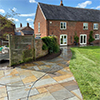
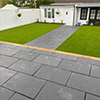
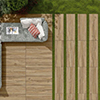
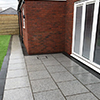
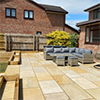
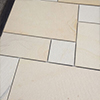
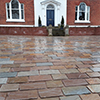
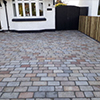
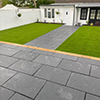
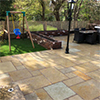
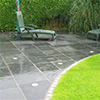
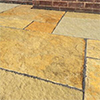
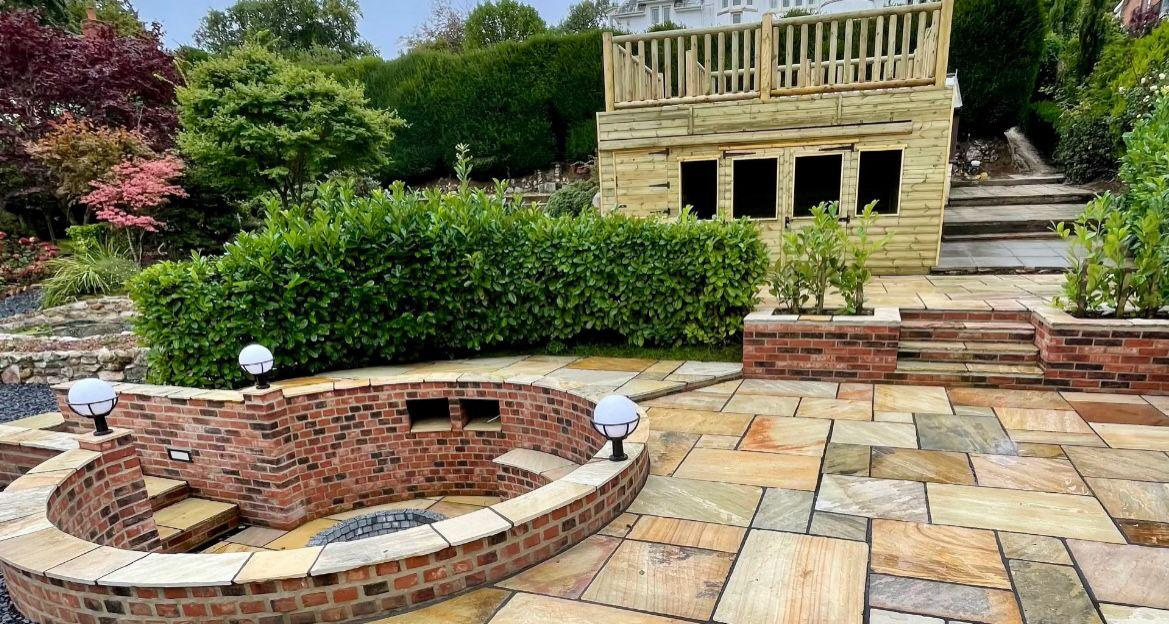
Natural stone and porcelain are both excellent choices for outdoor paving — but they serve different needs. Here’s an honest, side-by-side comparison to help you make the right choice.
Natural Stone: The Character Option
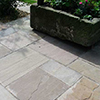
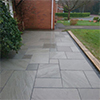
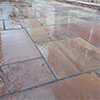
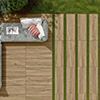
Natural stone has been used in gardens for centuries. It develops a patina over time, each slab is unique, and it connects your outdoor space to the natural world in a way no manufactured product can replicate.
Pros:
- Every slab is unique — natural variation adds character
- Develops a beautiful patina over time
- Eco-friendly — quarried directly from the earth
- Available in a huge range of colours and finishes
- Can be reused, repurposed or resold
Cons:
- Requires sealing every 2–3 years
- Some types absorb stains if unsealed
- Slight variation in thickness (calibrated stone minimises this)
Porcelain: The Low-Maintenance Option
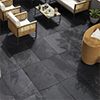
Porcelain is a fired tile made from refined clay. Modern outdoor porcelain closely mimics natural stone but offers consistent sizing and extremely low maintenance.
Pros:
- Near-zero maintenance — wipe clean, no sealing required
- Frost resistant and colour-fast
- Consistent size and thickness — easy to lay
- Non-porous — stain and algae resistant
Cons:
- Less character — looks can appear manufactured
- Harder to cut — requires diamond blade
- Higher initial cost per m²
Our Verdict
For character, warmth and a connection to nature — choose natural stone. For a busy family garden where low maintenance is the priority — porcelain is an excellent choice. DNS Stones offers both, sourced direct from India at trade prices. Get in touch for samples.
Ready to source natural stone direct from the manufacturer? DNS Stones supply trade buyers across the UK with premium stone at factory prices.
Request a Quote