








How The Row Came to Represent Quiet Luxury
Ask anyone closely following fashion in the last decade and they will confirm the same thing: The Row overhauled what luxury is supposed to look like. There were no loud logos on a shoulder strap, no seasonal gimmicks, no colour-blocked campaigns crafted purely for screenshots. Instead, the brand’s standing was forged through fabric weight, seam placement, and a restraint that formerly read as unfashionable. Now, that very restraint is the whole point. The Row has become shorthand for “quiet luxury,” a phrase that gets thrown around loosely but that this brand actually earned through more than fifteen years of unglamorous discipline.
Making sense of this brand’s rise to such a position means looking beyond the finished coat or handbag and considering the decisions beneath it: its founding figures, its pricing philosophy, and why its bags above all became the essential piece for every minimalist wardrobe.
Where It Began: Mary-Kate and Ashley Olsen’s Improbable Turn
The Row launched in 2006, founded by Mary-Kate and Ashley Olsen, two former child actors who had spent their entire lives in front of cameras and decided, somewhat against expectation, to build one of the most serious ready-to-wear labels of their generation. That name calls back yslbags.org/handbags to Savile Row, the London street linked with bespoke tailoring, and it was never a superficial choice. From the outset the Olsens were chasing construction quality more associated with menswear tailoring houses than with contemporary womenswear.
The earliest collections were limited and costly, and critics questioned that two actresses could deliver anything more than a vanity project. That skepticism proved short-lived. Within a few years, The Row was picking up industry recognition, including a CFDA Award, and stockists like Barneys and Net-a-Porter were carrying it seriously, not as a novelty line. The brand’s slow, deliberate growth — few flashy collaborations, almost no advertising in the traditional sense — became part of its identity rather than a limitation.
The Olsens, by the 2020s, had assembled something more akin to a workshop than a conventional fashion label — pattern-cutting and fit sessions able to run for months on just one garment. That obsessiveness is the real engine behind the “quiet luxury” label, and it accounts for why the brand’s bags, in particular, became so highly sought-after.
How “Quiet Luxury” Turned Into the Signature Phrase
This label took off in mainstream usage circa 2023, owing in part to television and partly thanks to a wider weariness toward logo-driven dressing. However, The Row had followed this approach since 2006, years before it was ever named. The label’s philosophy relies on a few steadfast tenets: neutral palettes built around black, cream, camel and grey; materials chosen for tactile quality over trend value; and silhouettes that rarely change significantly across collections.
Rather than seeing consistency as a creative limitation, this house treats it as a virtue. Little in the design vocabulary changes, so a 2019 coat and a 2026 piece can sit side by side without either looking out of date. That’s deliberate. The Row isn’t after viral moments; it’s chasing permanence, so shoppers who spend four figures on a single item tend to want staying power over novelty.
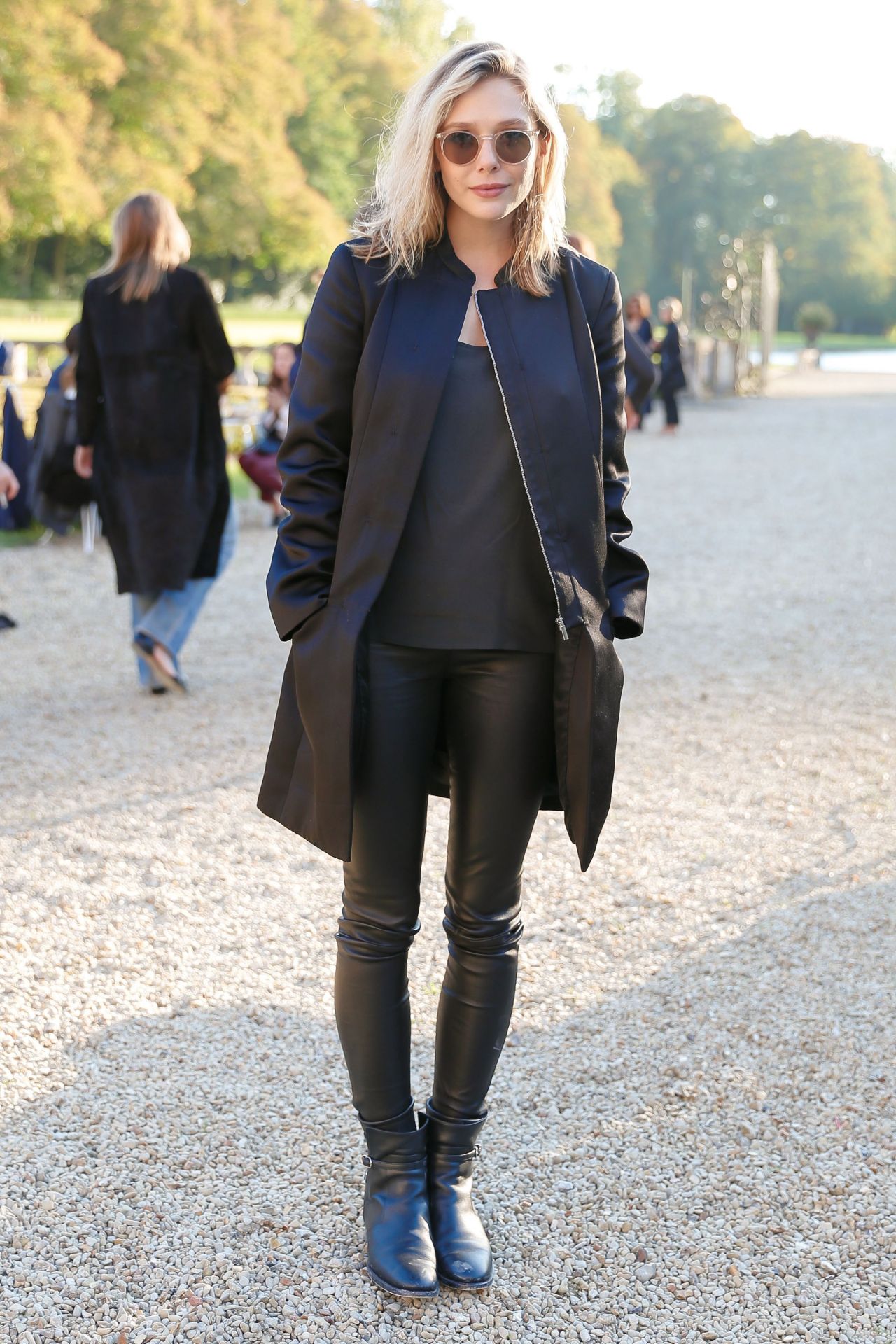
Cost forms another chapter in the narrative. Situated at the pinnacle of today’s luxury landscape, the label has its ready-to-wear pieces often climbing to the thousands, while accessories hold a comparably exclusive range. This kind of price structure underscores exclusivity, but it also speaks to genuine production costs: fabric sourced from Italy and Japan, finishing done by hand, and constrained output runs that avoid the surplus-inventory patterns common at bigger fashion houses.
The Bags — The Real Home of the Brand’s Reputation
While outerwear built The Row’s initial acclaim among critics, the bags are what carried the brand into mass cultural awareness. Query volume around “the row bags,” “row handbags,” and “the row handbags” has risen gradually as stylists, editors and everyday shoppers alike came to view select styles as generational investments as opposed to seasonal purchases.
The Margaux is the obvious centerpiece. Introduced in the mid-2010s, it became one of those rare bags that transcended its own category — praised for slouchy, structureless leather that looked expensive precisely because it wasn’t trying to look like anything else. Shoppers searching “where to buy The Row Margaux bag” are usually met with long waitlists at flagship stores and select luxury retailers, because production is intentionally limited. That scarcity is not a marketing trick so much as a byproduct of the brand’s small-batch manufacturing philosophy.
Beyond the Margaux, the label’s tote styles have built up a comparable following. The Row’s tote lineup typically prioritize generous, roomy proportions, minimal hardware, and leather intended to soften and take on personality through wear rather than remain flawless-looking. Unlike bags engineered to appear unchanged from day one through day five hundred, these pieces are built to transform with wear. For anyone mentally assembling a “row bags overview” before shopping, it helps to know the house generally divides its bag offerings into structured top-handle bags, soft, relaxed shoulder bags, and large-scale totes — three categories that encompass most of what’s viewed as the top row bags by resale value and editorial mentions.
Sizing Up The Row’s Defining Bag Categories
To help shoppers decide where to start, it’s worthwhile to lay out the main bag families together. The comparison below outlines general characteristics reported across retail and resale platforms rather than set prices, since availability and cost shift with new drops and resale demand.
| Bag Style | Overall Form | Ideal Use | Resale Demand |
|---|---|---|---|
| Margaux | Slouchy, semi-structured tote | Everyday luxury, work-to-weekend use | Exceptionally strong; often backordered |
| Oversized styles of The Row Tote | Large, minimal-hardware tote | Commuting, travel, minimalist wardrobes | Elevated; reliably sought after on the secondary market |
| Top-handle styles | Tightly structured, smaller-scale | Dressier events, evening wear | Moderate; more niche but steady |
| Designs in shoulder bag form | Soft, unstructured | Regular, low-key daily use | High; favored by minimalist dressers |
One thing the chart doesn’t fully capture is resale behavior. Many of these bag styles retain value impressively so compared to competing luxury brands, which is one reason why searches for “best row bags” frequently direct people toward resale sites and consignment shops rather than just first-hand retail channels. Scarcity plus consistent design language equals a genuinely defensible resale market, something not every luxury label can claim.
Where The Row Fashion Fits in 2026
Heading into 2026, The Row’s broader ready-to-wear line continues to expand cautiously — tailored trousers, cashmere knitwear, and minimalist outerwear remain the backbone, with occasional footwear and jewelry additions that follow the same understated logic. The brand has resisted the collaboration cycle that so many contemporaries lean on for relevance, and it still declines to invest heavily in social media marketing in the way that’s become standard for most labels.
That restraint has, paradoxically, kept it relevant. The Row fashion is often referenced in end-of-year “quiet luxury” lists not because it shifted to follow a trend, but because the trend eventually aligned with what the brand had already been doing since 2006. Retailers note that interest spikes around awards season and major fashion weeks, when editors and stylists put Row pieces on front rows and red carpets, solidifying the brand’s identity without any paid placements at all.
Row Sale Events and How Shoppers In Practice Buy In
With price points like these, many shoppers hold out for a The Row markdown moment instead of buying at full retail, and it’s evolved into its own seasonal ritual. Since The Row seldom marks down via its own channels, the bulk of discounting occurs through authorized multi-brand retailers during their broader seasonal markdown periods, along with occasional stock offloading through resale and consignment marketplaces. Buyers seeking discounted the row bags should anticipate earlier seasons’ colors and sizes rather than current-season releases, since newer styles seldom go on sale fast.
Patience tends to reward buyers here. Given how limited production runs are, marked-down pieces get snapped up in no time, and sought-after Margaux sizes rarely last through a markdown period. Shoppers committed to scoring a discounted find typically track several stockists rather than relying on the brand’s own site, since outside retailers often apply discounts sooner.
What Keeps the Appeal Alive
The Row’s climb speaks to a bigger shift in where high-end shoppers have moved. After a long stretch of maximalism and logo-driven status symbols, a notable share of the market started valuing invisibility — garments and bags that signal taste only to those already in the know, rather than broadcasting price to everyone else. The Row made no effort to follow that change; it just continued doing what it set out to do back in 2006, and the industry, in time, arranged itself around that same value system.
Whether the entry point is a single tote, a waitlisted Margaux, or a full wardrobe built slowly over years, what the brand fundamentally offers hasn’t shifted: less, but better, crafted with little fanfare. That’s a difficult promise to keep at scale, and it’s exactly why The Row still remains almost unrivaled at the summit of quiet luxury heading into 2026.
Ready to source natural stone direct from the manufacturer? DNS Stones supply trade buyers across the UK with premium stone at factory prices.
Request a Quote